Exploring the distinctions between Residential Mental Health Facilities and Outpatient Care opens up a world of possibilities. Let's delve into the advantages, disadvantages, and unique situations where one may be more suitable than the other.
As we navigate through the treatment approaches, patient experiences, and cost factors, this discussion aims to shed light on the nuances of mental health care settings.
Residential Mental Health Facilities vs Outpatient Care
Residential mental health facilities and outpatient care are two different types of treatment options for individuals dealing with mental health issues. While both aim to provide support and treatment, there are key differences that set them apart.Residential mental health facilities are live-in facilities where individuals receive round-the-clock care and support from a team of healthcare professionals. On the other hand, outpatient care allows individuals to receive treatment while still living at home and attending therapy sessions or appointments on a scheduled basis.Advantages and Disadvantages of Residential Mental Health Facilities
- Advantages:
- Intensive and structured care
- 24/7 support and supervision
- Removal from triggers or stressful environments
- Disadvantages:
- Costly compared to outpatient care
- Separation from family and friends
- Potential feelings of isolation
Situations Where Residential Mental Health Facilities are More Suitable
Residential mental health facilities are more suitable for individuals:- Who require intensive treatment and monitoring
- At risk of self-harm or harm to others
- With severe mental health conditions that require constant supervision
Level of Support in Residential Mental Health Facilities vs Outpatient Care
In residential mental health facilities, individuals have access to 24/7 support from healthcare professionals, including therapists, psychiatrists, and nurses. This level of support ensures immediate intervention in case of emergencies and a structured treatment plan. On the other hand, outpatient care offers scheduled therapy sessions and appointments, providing support during specific times but not continuous supervision like in residential facilities.Treatment Approaches
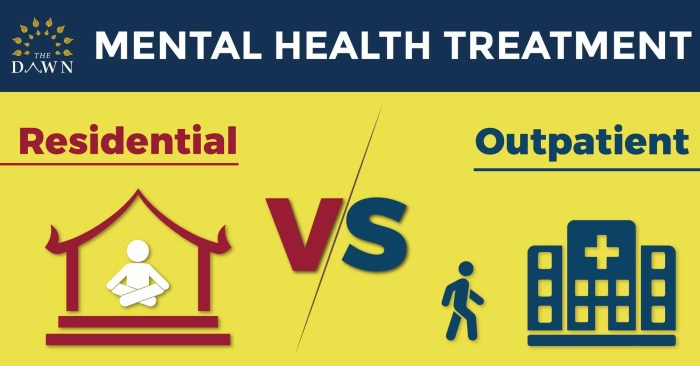 Residential mental health facilities and outpatient care offer different treatment approaches tailored to meet the needs of individuals dealing with mental health issues.
 Types of Therapies Available
Residential mental health facilities typically provide a range of therapies, including individual therapy, group therapy, family therapy, and holistic approaches such as art therapy or yoga. On the other hand, outpatient care settings may offer individual therapy, group therapy, and medication management.Importance of Personalized Treatment Plans
Personalized treatment plans are crucial in both residential and outpatient settings to address the unique needs of each individual. By tailoring treatment approaches to specific mental health concerns, individuals are more likely to experience positive outcomes and long-term recovery.Intensity and Duration of Treatment
In residential mental health facilities, treatment tends to be more intensive and immersive, with individuals residing on-site and receiving round-the-clock care. This allows for constant monitoring and support. In contrast, outpatient care offers more flexibility in terms of scheduling and allows individuals to continue with their daily activities while attending therapy sessions. However, the intensity and duration of treatment may vary depending on the severity of the mental health condition and the individual's progress.Patient Experience
Residential mental health facilities and outpatient care offer different experiences for patients in terms of daily routines, independence, and sense of community.Daily Routine in Residential Facilities
Patients in residential mental health facilities typically follow a structured daily routine that includes therapy sessions, group activities, meals, and medication management. They may have a set schedule for different therapies and recreational activities throughout the day to promote healing and stability.Daily Routine in Outpatient Care
On the other hand, patients receiving outpatient care have more flexibility in their daily routines. They usually attend therapy sessions or appointments with mental health professionals at scheduled times but have the freedom to engage in other activities outside of these appointments. Outpatient care allows individuals to continue with their daily responsibilities such as work or school while receiving treatmentLevel of Independence and Autonomy
In residential facilities, patients have less independence compared to those in outpatient care. Staff members closely monitor and support residents throughout the day, ensuring they adhere to treatment plans and stay safe. On the contrary, individuals in outpatient care are responsible for managing their treatment outside of appointments, giving them a higher level of autonomy in their recovery journey.Sense of Community
Residential mental health facilities often foster a strong sense of community among patients residing together. Living in close proximity allows individuals to build connections, offer support, and engage in group therapy sessions or activities together. In outpatient care, the sense of community may be less pronounced as individuals primarily interact with mental health professionals during appointments rather than forming bonds with peers undergoing similar experiences.Cost and Accessibility
Residential mental health facilities and outpatient care differ in terms of cost and accessibility, impacting individuals seeking treatment for mental health conditions.Cost Factors
Residential mental health facilities generally have higher costs compared to outpatient care due to the 24/7 supervision, accommodation, and intensive therapeutic services provided. The cost of residential treatment can vary depending on the facility's location, amenities, and duration of stay. On the other hand, outpatient care tends to be more affordable as it does not include accommodation or round-the-clock care.Insurance Coverage
Insurance coverage for mental health treatment varies between residential facilities and outpatient care. While many insurance plans cover outpatient services, coverage for residential treatment may be limited or require pre-authorization. Individuals seeking treatment should carefully review their insurance policy to understand the extent of coverage for both types of care.Accessibility of Services
Accessibility of services in residential mental health facilities may be limited based on location and availability of specialized programs. In contrast, outpatient care is more accessible as individuals can schedule appointments around their daily routines and continue to live at home. However, the quality and range of services may vary depending on the region and healthcare providers.Follow-up Care
After completing treatment, follow-up care is essential for long-term recovery. Outpatient care offers more affordable and accessible options for follow-up appointments and therapy sessions. Residential facilities may provide aftercare programs, but individuals may face challenges in accessing these services due to distance or cost implications. It is crucial for individuals to consider the affordability and availability of follow-up care when choosing between residential and outpatient treatment options.Closing Summary
In conclusion, the comparison between Residential Mental Health Facilities and Outpatient Care reveals the complexities and considerations necessary for individuals seeking mental health treatment. This exploration serves as a guide for those navigating the landscape of mental health care options.
Common Queries
Are residential mental health facilities more expensive than outpatient care?
Residential mental health facilities are typically more expensive due to the 24/7 care and accommodation provided.
Do outpatient care settings offer the same level of support as residential facilities?
Outpatient care may offer less intensive support compared to residential facilities, which provide round-the-clock care.
Is there a difference in the types of therapies available between residential and outpatient care?
Residential facilities often offer a wider range of therapies due to the immersive nature of the treatment programs.
How do insurance coverage options differ between residential and outpatient care?
Insurance coverage for residential facilities may vary, but outpatient care is generally more covered by insurance plans due to its less intensive nature.
What is the typical duration of treatment in residential mental health facilities compared to outpatient care?
Residential facilities usually offer longer treatment durations, ranging from weeks to months, while outpatient care can be ongoing with regular sessions.