Exploring the realm of Weight Loss Medication Safety and Prescribing Guidelines, this piece invites readers with a wealth of information presented in a captivating manner, ensuring an enriching reading experience.
Delving into the importance of safety measures and proper guidelines for weight loss medications can shed light on critical aspects of patient care.
Importance of Weight Loss Medication Safety
Ensuring the safety of weight loss medication prescribing is crucial to protect the health and well-being of patients. When guidelines are followed correctly, it can lead to better outcomes and minimize potential risks.
Examples of Potential Risks
- Cardiovascular Complications: Improper use of weight loss medications can increase the risk of heart-related issues such as elevated blood pressure, palpitations, or even heart attacks.
- Mental Health Concerns: Some weight loss drugs may have side effects that impact mental health, including anxiety, depression, or mood swings.
- Drug Interactions: Without proper monitoring, weight loss medications can interact negatively with other medications the patient may be taking, leading to adverse effects.
Contribution to Better Patient Outcomes
- Healthier Weight Loss: Following safety guidelines ensures that patients are losing weight in a controlled and healthy manner, reducing the risk of complications.
- Improved Adherence: When patients feel safe and supported in their weight loss journey, they are more likely to adhere to the prescribed treatment plan, leading to better results.
- Long-Term Health Benefits: By prioritizing safety, healthcare providers can help patients achieve sustainable weight loss goals without compromising their overall health.
Prescribing Guidelines for Weight Loss Medications
When it comes to prescribing weight loss medications, healthcare providers must carefully consider various factors to ensure the safety and effectiveness of treatment.Key Factors to Consider Before Prescribing Weight Loss Medications
- Evaluate the patient's BMI and overall health status to determine if weight loss medication is appropriate.
- Assess the patient's weight loss goals and previous attempts at losing weight through diet and exercise.
- Consider any underlying medical conditions that may impact the use of weight loss medications.
- Review the potential side effects and contraindications of the prescribed medication.
Recommended Approach to Determining Suitable Candidates
- Engage in a thorough discussion with the patient about their weight loss goals and expectations.
- Educate the patient about the potential benefits and risks of weight loss medications.
- Consider the patient's commitment to lifestyle changes and follow-up care.
- Monitor the patient's progress regularly to assess the effectiveness of the medication.
Role of Patient Education in Ensuring Safe and Effective Use
Patient education plays a crucial role in the safe and effective use of weight loss medications. It is important to:- Inform patients about the proper dosage and administration of the medication.
- Discuss potential side effects and the importance of reporting any adverse reactions.
- Emphasize the need for healthy eating habits and regular physical activity in conjunction with medication use.
- Encourage open communication between the patient and healthcare provider to address any concerns or challenges.
Commonly Prescribed Weight Loss Medications
Weight loss medications are often prescribed to individuals struggling with obesity or excess weight to help them achieve their health goals. Here are some of the most commonly prescribed weight loss medications, along with their mechanisms of action, potential side effects, and interactions.Phentermine
Phentermine is a stimulant that suppresses appetite by affecting the central nervous system. It is typically prescribed for short-term use due to its potential for abuse and dependence. Common side effects include increased heart rate, insomnia, and dry mouth. Phentermine may interact with other medications, such as antidepressants, and should be used with caution.Orlistat
Orlistat works by blocking the absorption of fat in the gastrointestinal tract, leading to reduced calorie intake. Side effects of orlistat include oily stools, flatulence, and abdominal discomfort. It is important to take a multivitamin while on orlistat, as it can interfere with the absorption of fat-soluble vitamins.Liraglutide (Saxenda)
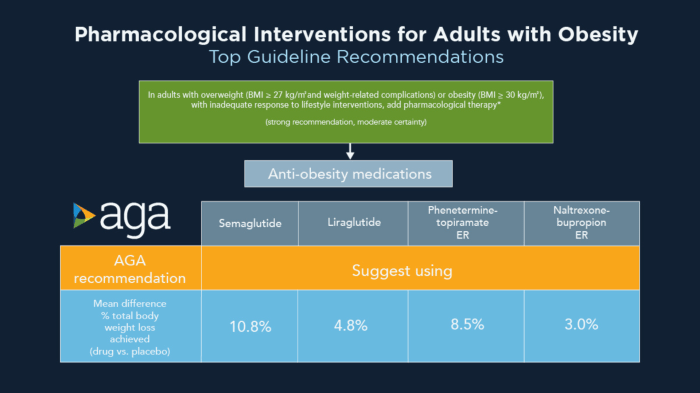
Liraglutide is a GLP-1 receptor agonist that helps regulate appetite and food intake. It is administered through injection and may cause nausea, vomiting, and diarrhea as common side effects. Liraglutide can interact with certain medications, such as insulin, and should be used under medical supervision.Contrave
Contrave is a combination of bupropion and naltrexone that works on the brain to reduce appetite and cravings. It can cause side effects like nausea, constipation, and headache. Contrave may interact with other medications that affect the central nervous system and should be monitored closely.Belviq
Belviq is a serotonin 2C receptor agonist that helps control appetite and food cravings. Side effects of Belviq may include headache, dizziness, and fatigue. It is important to discuss any potential interactions with other medications before starting Belviq.Qsymia
Qsymia is a combination of phentermine and topiramate that works to reduce appetite and increase feelings of fullness. Side effects of Qsymia can include tingling in the hands and feet, insomnia, and constipation. It is essential to monitor for any interactions with other medications while taking Qsymia.Monitoring and Follow-Up Procedures
 Monitoring patients who are using weight loss medications is crucial to ensure their safety and the effectiveness of treatment. Regular follow-up appointments help healthcare providers track progress, make necessary adjustments, and address any concerns that may arise during the course of treatment.
Frequency and Type of Follow-Up Appointments
- Patients on weight loss medications should have follow-up appointments at least once a month initially to monitor progress and assess any side effects.
- As patients continue their treatment, follow-up appointments can be spaced out to every 3-6 months, depending on individual progress and response to the medication.
- Regular monitoring helps healthcare providers evaluate the need for dose adjustments, additional interventions, or potential changes in treatment plans.
Tracking Progress and Effectiveness
- Healthcare providers can track the effectiveness of weight loss treatment by monitoring changes in weight, body mass index (BMI), blood pressure, and other relevant health markers.
- Keeping detailed records of patient progress, including any challenges or successes, can help inform future treatment decisions and optimize outcomes.
- Encouraging open communication with patients about their experiences and concerns can lead to better adherence to treatment and improved overall results.
Closing Notes
In conclusion, understanding the significance of safety protocols and prescribing guidelines is crucial for healthcare providers and patients alike, paving the way for safer and more effective weight loss treatments.
FAQ Overview
What are some risks associated with improper use of weight loss medications?
Some risks include increased heart rate, high blood pressure, insomnia, and potential dependence on the medication.
How can healthcare providers track the progress of weight loss treatment?
Healthcare providers can monitor weight changes, side effects, and overall improvement in the patient's health during follow-up appointments.