Embark on a journey exploring Disease Prevention Strategies Through Lifestyle Changes, where healthy habits pave the way for a disease-free life. Discover the power of lifestyle changes in warding off illnesses and optimizing well-being.
Delve into the significance of adopting healthy habits and the impact they have on disease prevention.
Introduction to Disease Prevention Strategies Through Lifestyle Changes
Disease prevention through lifestyle changes involves making conscious choices and adopting healthy habits to reduce the risk of developing various illnesses and conditions.
It is essential to prioritize a healthy lifestyle as it can significantly impact overall health and well-being. By incorporating positive changes into daily routines, individuals can lower the chances of experiencing chronic diseases such as heart disease, diabetes, obesity, and certain types of cancer.
Examples of Common Lifestyle Changes for Disease Prevention
- Eating a balanced diet rich in fruits, vegetables, whole grains, and lean proteins.
- Engaging in regular physical activity, such as walking, jogging, or strength training.
- Avoiding tobacco products and limiting alcohol consumption.
- Maintaining a healthy weight through proper diet and exercise.
- Managing stress through relaxation techniques like meditation or yoga.
Diet and Nutrition
When it comes to disease prevention, diet plays a crucial role in maintaining overall health and well-being. The foods we consume provide essential nutrients that can either support or harm our bodies in the prevention of various diseases.
Role of Diet in Disease Prevention
Our diet directly impacts our risk of developing chronic diseases such as heart disease, diabetes, and certain types of cancer. Consuming a diet rich in fruits, vegetables, whole grains, lean proteins, and healthy fats can help reduce inflammation, improve immune function, and support overall health.
Impact of Specific Nutrients on Health
- Omega-3 fatty acids: Found in fish, nuts, and seeds, these healthy fats are known to reduce the risk of heart disease and improve brain function.
- Antioxidants: Found in colorful fruits and vegetables, antioxidants help protect cells from damage and reduce the risk of chronic diseases.
- Vitamin D: Essential for bone health and immune function, vitamin D can be obtained from sunlight exposure and fortified foods.
Diets for Disease Prevention
- Mediterranean Diet: Rich in fruits, vegetables, whole grains, fish, and olive oil, this diet is associated with a reduced risk of heart disease and overall mortality.
- DASH Diet: Focuses on reducing sodium intake and increasing consumption of fruits, vegetables, and low-fat dairy products to lower blood pressure and prevent heart disease.
- Plant-Based Diet: Emphasizes plant foods like fruits, vegetables, whole grains, nuts, and seeds, which can help reduce the risk of chronic diseases and promote overall health.
Physical Activity and Exercise
Regular physical activity and exercise play a crucial role in disease prevention by improving overall health and reducing the risk of chronic conditions such as heart disease, diabetes, and obesity. Exercise helps strengthen the immune system, control weight, and boost mental health, contributing to a healthier lifestyle.Recommended Levels of Exercise
- Adults should aim for at least 150 minutes of moderate-intensity aerobic activity per week, spread out over several days.
- Alternatively, 75 minutes of vigorous-intensity aerobic activity can be done each week, along with muscle-strengthening activities on two or more days.
- For additional health benefits, adults can increase their aerobic activity to 300 minutes of moderate intensity or 150 minutes of vigorous intensity per week.
Effective Exercise Routines
- Aerobic exercises, such as brisk walking, running, cycling, or swimming, are excellent for cardiovascular health and overall fitness.
- Strength training exercises, using weights or resistance bands, help build muscle mass, improve metabolism, and prevent age-related muscle loss.
- Flexibility exercises like yoga or stretching routines can enhance mobility, reduce the risk of injury, and promote relaxation.
- High-intensity interval training (HIIT) combines short bursts of intense exercise with periods of rest, effectively improving cardiovascular fitness and burning calories.
Stress Management
Stress can have a significant impact on both our mental and physical health, making it crucial to address as part of disease prevention strategies. Chronic stress has been linked to a variety of health conditions, including heart disease, obesity, and weakened immune function.
Techniques for Stress Management
Implementing effective stress management techniques can help reduce the negative impact of stress on our bodies and overall well-being.
- Practice mindfulness and meditation: Engaging in mindfulness activities and meditation can help calm the mind and reduce stress levels.
- Exercise regularly: Physical activity can release endorphins, which are natural mood lifters, and help combat stress.
- Establish a support system: Having a strong support network of friends, family, or professionals can provide emotional assistance during stressful times.
- Get enough sleep: Adequate sleep is essential for stress management and overall health.
- Engage in hobbies: Participating in activities you enjoy can help distract from stressors and promote relaxation.
Benefits of Stress Reduction for Disease Prevention
Reducing stress levels can offer numerous benefits in terms of disease prevention and overall health.
Lowered risk of heart disease:
Chronic stress is a known risk factor for heart disease, so managing stress can help protect the heart.Improved immune function:
High stress levels can weaken the immune system, making individuals more susceptible to infections and illnesses.Reduced inflammation:
Stress has been linked to increased inflammation in the body, which can contribute to various chronic diseases.
Sleep and Rest
 Sleep plays a crucial role in disease prevention as it allows the body to rest, repair, and rejuvenate. Adequate sleep is essential for maintaining overall health and well-being. Similarly, rest and recovery are necessary to help the body recover from daily stressors and prevent the onset of various diseases.
Importance of Sleep in Disease Prevention
Getting enough quality sleep is vital for disease prevention as it helps regulate the immune system, metabolism, and overall bodily functions. Lack of sleep has been linked to an increased risk of chronic conditions such as heart disease, diabetes, and obesity. It is recommended that adults aim for 7-9 hours of sleep each night to support optimal health.
Role of Rest and Recovery
Rest and recovery are essential for allowing the body to repair and recharge. Taking breaks throughout the day and incorporating rest days into your exercise routine can help prevent burnout and reduce the risk of injuries. It is important to listen to your body's signals and prioritize rest to maintain overall health.
Tips for Improving Sleep Quality
- Avoid caffeine and electronic devices before bedtime.
- Create a relaxing bedtime routine to signal to your body that it's time to sleep.
- Keep your bedroom dark, quiet, and at a comfortable temperature.
- Establish a consistent sleep schedule by going to bed and waking up at the same time every day.
- Limit daytime naps to avoid disrupting your nighttime sleep.
Final Summary
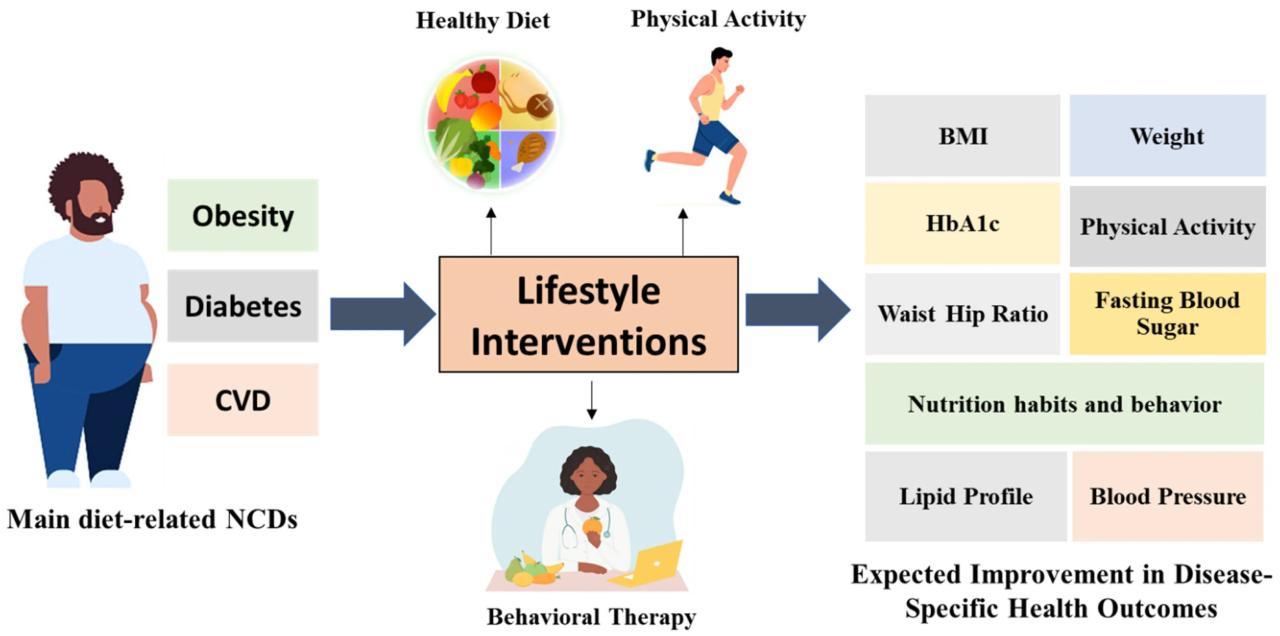
In conclusion, Disease Prevention Strategies Through Lifestyle Changes offer a roadmap to a healthier future. By making simple yet impactful changes, one can take control of their well-being and reduce the risk of diseases.
FAQ
How crucial is diet in preventing diseases?
Diet plays a vital role in disease prevention as it provides essential nutrients that support overall health and immunity.
What are effective stress management techniques for disease prevention?
Effective stress management techniques include mindfulness practices, exercise, and engaging in hobbies or activities that bring joy.