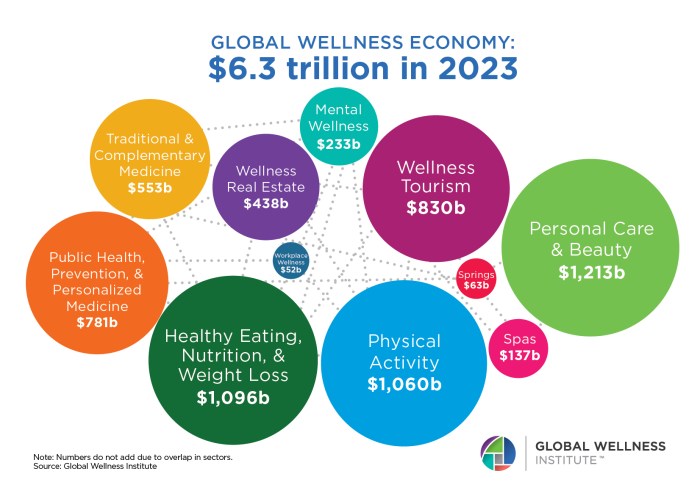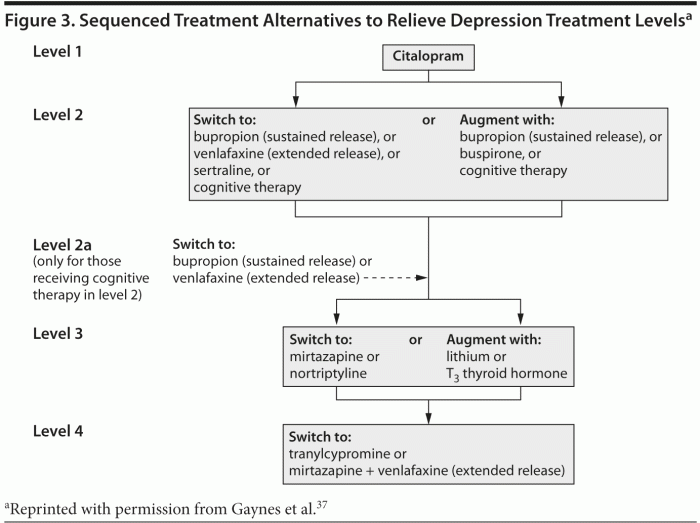
Well B Programs and Modern Wellness Approaches provide a modern twist to traditional wellness initiatives, offering a fresh perspective on enhancing overall well-being. As we delve into the realm of workplace wellness, these innovative approaches pave the way for a healthier and more engaged workforce, ultimately leading to increased productivity and satisfaction. Let's explore the intricacies of these programs and how they are revolutionizing the wellness landscape.
Overview of Well B Programs
Well B Programs focus on a holistic approach to wellness, emphasizing physical, mental, and emotional well-being. These programs go beyond traditional wellness initiatives by incorporating personalized plans, advanced technology, and data-driven insights to promote overall health.Popular Well B Programs in the Market
- Fitbit Premium: Offers personalized health insights, guidance, and coaching based on data collected from Fitbit devices.
- Noom: Combines psychology, technology, and human coaching to help users achieve weight loss and develop healthier habits.
- WW (formerly Weight Watchers): Utilizes a holistic approach to weight management, focusing on nutrition, fitness, mindset, and support.
Comparison with Traditional Wellness Programs
Traditional wellness programs often focus solely on physical health through activities like gym memberships or nutrition challenges. In contrast, Well B Programs address multiple dimensions of wellness, including mental and emotional well-being. They leverage technology and data analytics to provide personalized recommendations and continuous support, leading to sustainable behavior change and improved overall health outcomes.Components of Modern Wellness Approaches
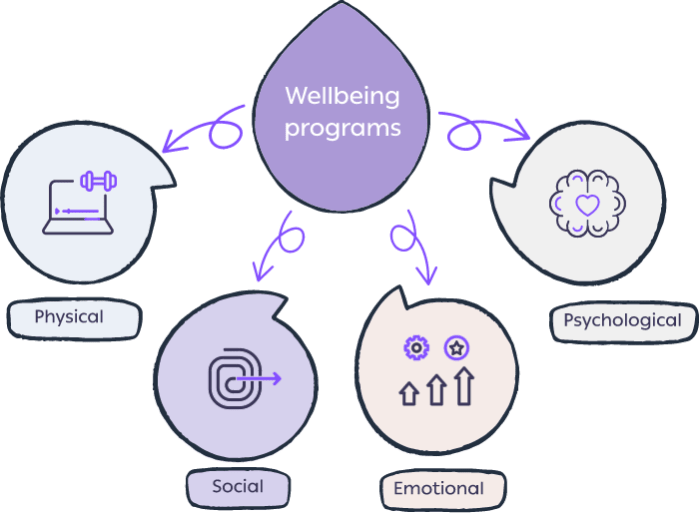
Modern wellness approaches encompass a variety of key components that focus on holistic well-being and preventive health measures. These components are designed to address physical, mental, and emotional aspects of wellness, promoting overall health and vitality.
Role of Technology in Modern Wellness Approaches
Technology plays a crucial role in modern wellness approaches, offering innovative solutions to support individuals in their health and well-being journey. Some key ways technology is integrated include:
- Wearable devices and health apps for tracking fitness levels, sleep patterns, and nutrition intake.
- Telemedicine and virtual consultations for convenient access to healthcare professionals.
- Online wellness platforms offering virtual fitness classes, mental health resources, and nutrition guidance.
Integration of Mental Health in Modern Wellness Programs
Mental health is an integral part of modern wellness programs, recognizing the significant impact of mental well-being on overall health. Here are some ways mental health is integrated into modern wellness approaches:
- Access to mental health professionals for therapy sessions and counseling.
- Mindfulness and meditation practices to reduce stress and improve mental clarity.
- Educational resources on mental health awareness and destigmatization of seeking help.
Implementation Strategies for Well B Programs
Implementing a Well B Program in a workplace requires careful planning and execution to ensure its success. Here are some steps and best practices to consider:Steps for Implementing a Well B Program in a Workplace
- Conduct a needs assessment to identify the specific health and wellness needs of employees.
- Develop a clear and comprehensive Well B Program with defined goals, objectives, and strategies.
- Communicate the program effectively to employees, outlining the benefits and encouraging participation.
- Provide resources and support to help employees engage in the program, such as access to healthy food options or fitness classes.
- Evaluate the program regularly to track progress, gather feedback, and make necessary adjustments.
Best Practices for Promoting Employee Engagement in Well B Programs
- Offer incentives or rewards for participation and goal achievement to motivate employees.
- Create a supportive and inclusive environment that encourages employees to prioritize their health and well-being.
- Provide opportunities for social connection and peer support within the program, such as group activities or challenges.
The Importance of Leadership Support in the Success of Well B Programs
Leadership support is crucial for the success of Well B Programs as it sets the tone for the entire organization. When leaders actively promote and participate in the program, it sends a powerful message to employees about the importance of prioritizing health and wellness. Leaders can also allocate resources, provide encouragement, and lead by example to inspire employees to engage in the program wholeheartedly.Measuring Success and Impact
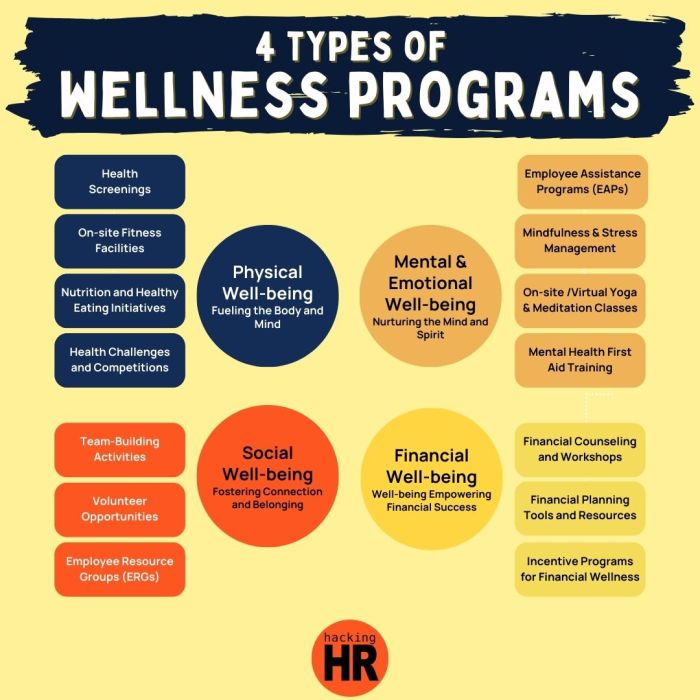
Measuring the success and impact of Well B Programs is crucial to understanding their effectiveness in promoting wellness. Various metrics are used to evaluate the outcomes and benefits of these programs.
Metrics Used to Measure Success of Well B Programs
Well B Programs are often assessed based on the following key metrics:
- Participant Engagement: Tracking the level of participation and involvement in the program.
- Health Outcomes: Monitoring improvements in physical and mental health indicators.
- Employee Satisfaction: Gathering feedback from participants to gauge satisfaction levels.
- Productivity and Performance: Assessing the impact of wellness initiatives on work efficiency.
Examples of Successful Outcomes from Modern Wellness Approaches
Modern wellness approaches have shown significant positive outcomes in various settings. Some successful examples include:
- Reduced absenteeism and healthcare costs for organizations implementing holistic wellness programs.
- Improved employee morale and job satisfaction leading to higher retention rates.
- Enhanced overall well-being and stress management skills among individuals participating in mindfulness programs.
Long-term Impact of Well B Programs
Well B Programs have the potential to create lasting benefits for both individuals and organizations over time. Some long-term impacts include:
- Establishing a culture of well-being that fosters healthier lifestyles and habits among employees.
- Reducing chronic health issues and promoting proactive healthcare management.
- Enhancing team collaboration and communication through improved mental and emotional wellness.
Closing Summary
In conclusion, Well B Programs and Modern Wellness Approaches represent a paradigm shift in how we perceive and prioritize well-being in the workplace. By embracing these forward-thinking strategies, organizations can cultivate a culture of health and happiness, fostering a more vibrant and resilient workforce for the future.
Clarifying Questions
What distinguishes Well B Programs from traditional wellness initiatives?
Well B Programs focus on a holistic approach to well-being, incorporating physical, mental, and emotional health aspects to promote overall wellness.
How can organizations effectively implement Well B Programs in the workplace?
Organizations can start by conducting needs assessments, setting clear goals, providing resources, and fostering a supportive environment to ensure successful implementation.
What role does technology play in modern wellness approaches?
Technology enables personalized wellness solutions, data tracking, and remote access to wellness resources, enhancing the overall effectiveness and accessibility of modern wellness programs.