Embarking on a journey through Clinical Mental Health Counseling for Anxiety and Stress, readers are invited to delve into a captivating exploration of strategies and approaches aimed at managing these common mental health challenges.
The discussion unfolds with a detailed look at the role of clinical mental health counseling in addressing anxiety and stress, shedding light on effective techniques and interventions.
Overview of Clinical Mental Health Counseling for Anxiety and Stress
Clinical mental health counseling plays a crucial role in helping individuals manage anxiety and stress effectively. By providing a safe and supportive environment, counselors can assist clients in exploring their emotions, thoughts, and behaviors related to anxiety and stress. Through various counseling techniques, individuals can develop coping strategies and improve their overall well-being.Role of Clinical Mental Health Counseling
Clinical mental health counseling aims to help individuals identify the root causes of their anxiety and stress, as well as develop healthy coping mechanisms. Counselors work collaboratively with clients to create personalized treatment plans that address their specific needs and goals. By offering support, guidance, and evidence-based interventions, counselors empower individuals to overcome challenges and improve their mental health.Counseling Techniques for Anxiety and Stress
- Cognitive-Behavioral Therapy (CBT): CBT helps individuals identify and challenge negative thought patterns and behaviors that contribute to anxiety and stress. By replacing these maladaptive patterns with healthier ones, clients can effectively manage their symptoms.
- Mindfulness-Based Stress Reduction (MBSR): MBSR techniques, such as meditation and deep breathing exercises, help individuals cultivate present-moment awareness and reduce stress levels. By practicing mindfulness, clients can develop a greater sense of calm and resilience.
- Exposure Therapy: This technique involves gradually exposing clients to feared situations or objects in a safe environment. Through repeated exposure, individuals can learn to confront their fears and reduce anxiety over time.
Understanding Anxiety and Stress
Anxiety and stress are common mental health issues that can have a significant impact on an individual's overall well-being. While they are often used interchangeably in everyday language, it is important to differentiate between the two from a clinical perspective.Anxiety vs. Stress
Anxiety is characterized by feelings of apprehension, worry, and fear that are persistent and often irrational. It can manifest in various forms such as panic attacks, phobias, and generalized anxiety disorder. On the other hand, stress is a response to external pressures or demands that can be physical, emotional, or psychological in nature. While some level of stress is normal, chronic stress can lead to anxiety and other mental health issues.Impact on Mental Health
Both anxiety and stress can have a detrimental effect on mental health if left unmanaged. Chronic anxiety can lead to conditions such as depression, obsessive-compulsive disorder, and post-traumatic stress disorder. Prolonged stress can also contribute to the development of anxiety disorders and other mental health conditions.Common Symptoms
- Persistent feelings of worry, fear, or dread - Difficulty concentrating and making decisions - Irritability and mood swings - Physical symptoms such as muscle tension, headaches, and fatigue - Changes in appetite and sleep patternsIt is essential to seek professional help if you or someone you know is experiencing symptoms of anxiety or stress to receive appropriate treatment and support.Importance of Early Intervention
Early intervention plays a crucial role in addressing anxiety and stress in individuals, offering numerous benefits that can prevent the escalation of mental health issues.
Benefits of Early Intervention
- Reduction of symptom severity: By addressing anxiety and stress early on, individuals can experience a decrease in the severity of their symptoms, leading to improved overall well-being.
- Prevention of long-term consequences: Early intervention can help prevent the development of long-term mental health conditions associated with untreated anxiety and stress.
- Enhanced coping mechanisms: Individuals who receive early intervention are more likely to develop effective coping strategies to manage their anxiety and stress in the future.
Examples of Preventing Escalation
Early intervention strategies can prevent the escalation of anxiety and stress-related issues by:
- Providing psychoeducation: Educating individuals about anxiety and stress can help them recognize symptoms early and seek appropriate support.
- Offering coping skills training: Teaching individuals coping mechanisms early on can empower them to manage their symptoms effectively.
- Encouraging self-care practices: Promoting self-care activities can help individuals reduce stress levels and maintain their mental well-being.
Role of Clinical Mental Health Counselors
Clinical mental health counselors play a crucial role in early intervention strategies for anxiety and stress by:
- Conducting assessments: Counselors can assess individuals' mental health needs and develop personalized intervention plans based on their unique circumstances.
- Providing therapy: Offering individual or group therapy sessions can help individuals explore their feelings, thoughts, and behaviors related to anxiety and stress.
- Collaborating with other professionals: Counselors can work collaboratively with other healthcare providers to ensure comprehensive care and support for individuals experiencing anxiety and stress.
Therapeutic Techniques and Approaches
In clinical mental health counseling for anxiety and stress, various therapeutic techniques are employed to help individuals manage their symptoms and improve their overall well-being. Two common approaches used are cognitive-behavioral therapy (CBT) and mindfulness-based techniques. Additionally, relaxation techniques are also effective in reducing anxiety and stress.Cognitive-Behavioral Therapy (CBT) vs. Mindfulness-Based Approaches
- Cognitive-Behavioral Therapy (CBT): This approach focuses on identifying and changing negative thought patterns and behaviors that contribute to anxiety and stress. It helps individuals develop healthier coping mechanisms and problem-solving skills.
- Mindfulness-Based Approaches: Mindfulness techniques aim to increase awareness of the present moment without judgment. By practicing mindfulness, individuals can learn to observe their thoughts and feelings without getting caught up in them, reducing anxiety and stress.
Effectiveness of Relaxation Techniques
- Relaxation techniques, such as deep breathing exercises, progressive muscle relaxation, and guided imagery, can help calm the mind and body in moments of heightened anxiety or stress.
- Research has shown that regular practice of relaxation techniques can reduce overall anxiety levels and improve an individual's ability to cope with stressors in their daily life.
Self-Care Strategies for Anxiety and Stress
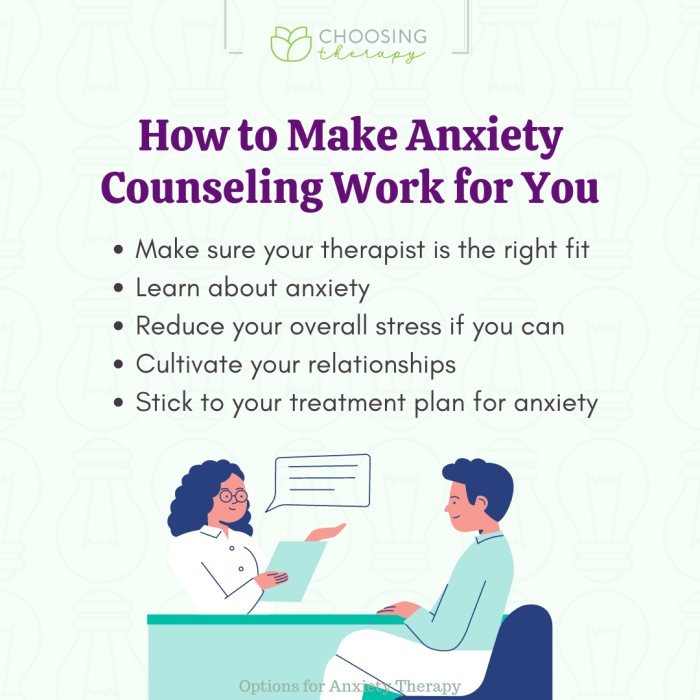 Taking care of your mental health is crucial in managing anxiety and stress. Implementing self-care practices in your daily routine can significantly help reduce these symptoms and improve your overall well-being.
Importance of Mindfulness
Mindfulness involves being present in the moment and focusing on your thoughts and feelings without judgment. It can help reduce anxiety and stress by promoting relaxation and a sense of calmness.
Exercise for Stress Management
Regular physical activity is essential for managing anxiety and stress. Exercise releases endorphins, which are natural mood lifters, and helps in reducing stress levels. Incorporating activities like yoga, walking, or jogging into your daily routine can have a positive impact on your mental health.
Healthy Lifestyle Choices
Eating a balanced diet, getting enough sleep, and avoiding substances like alcohol and drugs can significantly impact your mental well-being. A healthy lifestyle supports your body and mind in coping with stressors more effectively.
Creating a Self-Care Plan
To create a self-care plan, start by identifying activities that bring you joy and relaxation. Set aside time each day for self-care practices such as meditation, journaling, or spending time in nature. Make sure to prioritize your mental health and make self-care a non-negotiable part of your routine.
Final Review
Concluding our exploration, we reflect on the significance of early intervention, therapeutic techniques, and self-care strategies in the holistic management of anxiety and stress. This comprehensive overview emphasizes the importance of mental well-being and the role of clinical mental health counselors in supporting individuals on their healing journey.
FAQ Section
How can clinical mental health counseling help with anxiety and stress?
Clinical mental health counseling provides individuals with coping mechanisms, support, and therapeutic interventions to address and manage symptoms of anxiety and stress effectively.
What are the key differences between anxiety and stress from a clinical standpoint?
Anxiety is often characterized by excessive worry and fear, whereas stress is a response to external pressures or demands. While they share similarities, they can manifest differently and require tailored interventions.
Why is early intervention important in managing anxiety and stress?
Early intervention can prevent the escalation of symptoms, improve outcomes, and equip individuals with coping strategies to navigate challenges effectively, promoting long-term mental well-being.