Exploring the realm of Physical Activity Programs That Support Long-Term Health unveils a journey filled with insights and benefits. As we delve into the world of fitness and wellness, we discover the key components that contribute to a healthier lifestyle and long-term well-being. Join us as we unravel the secrets behind effective programs and personalized approaches that pave the way for a better tomorrow.
Highlighting the importance of physical activity in maintaining optimal health, this guide aims to shed light on the significance of tailored programs and community support in fostering a sustainable commitment to long-term well-being. Embark on this exploration with us and empower yourself with the knowledge to lead a healthier, more active life.
Importance of Physical Activity Programs
Regular participation in physical activity programs plays a crucial role in supporting long-term health by improving overall well-being and reducing the risk of various chronic diseases. These programs are designed to promote physical fitness, enhance cardiovascular health, and boost mental wellness.Key Benefits of Participation
- Improved cardiovascular health: Engaging in regular physical activity can strengthen the heart muscle, lower blood pressure, and improve circulation, reducing the risk of heart disease.
- Weight management: Physical activity programs help in burning calories and maintaining a healthy weight, which is essential for preventing obesity and related health issues.
- Enhanced mental health: Exercise releases endorphins, the "feel-good" hormones, which can alleviate stress, anxiety, and depression, promoting mental well-being.
- Stronger bones and muscles: Weight-bearing exercises in these programs help in building and maintaining bone density, as well as increasing muscle strength and endurance.
Impact on Long-Term Health Outcomes
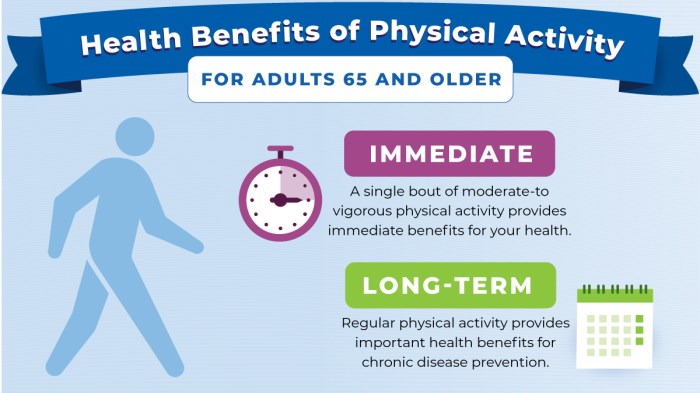
Regular physical activity has been shown to have a significant positive impact on long-term health outcomes compared to leading a sedentary lifestyle. Individuals who engage in physical activity programs are more likely to experience:- Reduced risk of chronic diseases such as diabetes, hypertension, and certain types of cancer.
- Improved longevity and quality of life, with better physical function and mobility as they age.
- Enhanced mental acuity and cognitive function, reducing the risk of cognitive decline and dementia in later years.
Elements of Effective Programs
Effective physical activity programs are crucial for long-term health maintenance. These programs typically consist of several essential components that contribute to their success. Incorporating a variety of activities, setting realistic goals, and tracking progress are key elements that make a program effective in promoting long-term health benefits.Variety of Activities
Physical activity programs that include a variety of exercises and activities are more likely to engage participants and prevent boredom. Incorporating aerobic exercises like running, cycling, or swimming, strength training exercises using weights or resistance bands, and flexibility exercises such as yoga or stretching can help individuals improve their overall fitness levels. By offering a mix of activities, participants can work different muscle groups, prevent overuse injuries, and maintain interest in the program.Goal-Setting and Progress Tracking
Setting specific, measurable, achievable, relevant, and time-bound (SMART) goals is essential for long-term success in a physical activity program. By establishing clear objectives, participants can stay motivated and focused on their fitness journey. Regularly tracking progress, whether through workout logs, fitness apps, or wearable devices, allows individuals to monitor their improvements and make necessary adjustments to their routine. This feedback loop helps maintain accountability and encourages continued participation in the program.Tailoring Programs to Individual Needs
Personalized physical activity programs play a crucial role in ensuring long-term health benefits for individuals. By tailoring programs to individual needs, we can maximize the effectiveness of exercise routines and promote sustainable lifestyle changes.
Methods for Assessing Individual Fitness Levels and Tailoring Programs
Before designing a personalized program, it is essential to assess an individual's current fitness level. This can be done through various methods, including:
- Physical assessments such as body composition analysis, flexibility tests, and cardiovascular fitness tests.
- Health history review to identify any underlying medical conditions or physical limitations.
- Consultation with fitness professionals or healthcare providers to discuss goals, preferences, and any specific requirements.
Role of Professional Guidance in Designing Customized Programs
Professional guidance is invaluable when it comes to designing customized physical activity programs. Fitness trainers, physical therapists, and other experts can provide:
- Expertise in creating tailored exercise plans that align with an individual's goals and abilities.
- Monitoring progress and making necessary adjustments to the program to ensure continued improvement.
- Educational support on proper technique, injury prevention, and overall fitness knowledge.
Community Support and Engagement
 Community support plays a crucial role in sustaining participation in physical activity programs and fostering long-term adherence to healthy habits. When individuals feel connected to a community that values and encourages physical activity, they are more likely to stay motivated and committed to their fitness goals.
Initiatives and Strategies for Community Engagement
- Organizing group exercise classes in local parks or community centers to bring people together in a shared fitness experience.
- Creating walking or running clubs that meet regularly to provide social support and accountability for members.
- Partnering with local businesses or schools to offer wellness programs that promote physical activity and healthy living.
- Utilizing social media platforms to connect participants, share resources, and celebrate achievements within the community.
Benefits of Group Activities and Social Connections
Group activities not only make physical exercise more enjoyable but also offer a sense of belonging and camaraderie that can significantly impact long-term adherence to fitness routines. When individuals engage in workouts with others, they are more likely to stay motivated, push themselves harder, and celebrate each other's successes. Social connections formed through group exercise can provide emotional support, encouragement, and accountability, making it easier for individuals to maintain a consistent exercise regimen over time.Ultimate Conclusion
In conclusion, Physical Activity Programs That Support Long-Term Health offer a roadmap to a healthier future. By embracing personalized approaches, effective strategies, and the power of community engagement, individuals can embark on a transformative journey towards enhanced well-being. Let this guide serve as a beacon of inspiration as you navigate the path to a fitter, healthier you.
FAQ Guide
How can personalized physical activity programs benefit long-term health?
Personalized programs cater to individual needs, ensuring targeted fitness goals are met effectively, leading to sustained health benefits.
What role does community support play in physical activity programs?
Community support fosters motivation, accountability, and a sense of belonging, crucial for long-term adherence to fitness routines.